 WalkDeskLab
Choosing the Right Mat for Your Walking Pad: Carpet & Hardwood Solutions
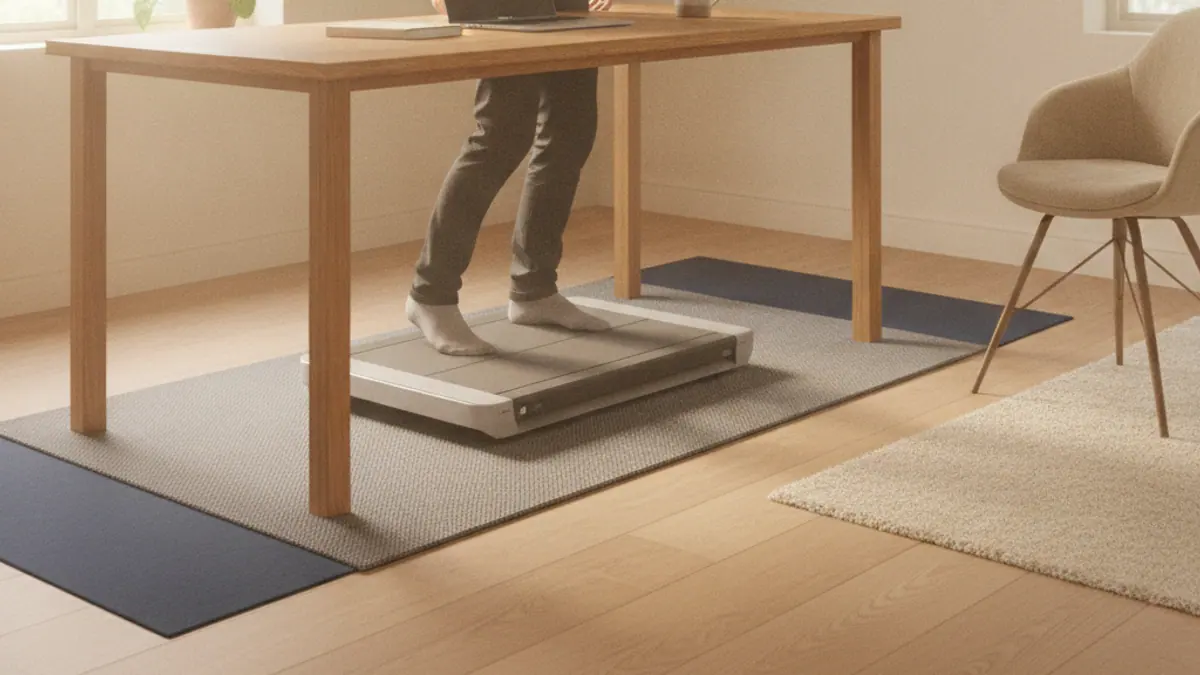
The ideal mat for your walking pad depends on your floor type and priorities. For hardwood, a thicker PVC or rubber mat like the SuperMats 13GS offers superior vibration dampening and scratch protection. On carpet, a mat with a textured underside, such as the Gorilla Grip, provides crucial stability and prevents pad indentation, while still offering noise reduction and floor preservation.
We did not run physical lab tests on these units. Our selection is based on verified manufacturer spec sheets, belt dimensions, motor architecture (brushed vs. brushless), warranty terms, and an analysis of 6–12 month owner failure reports on Amazon.
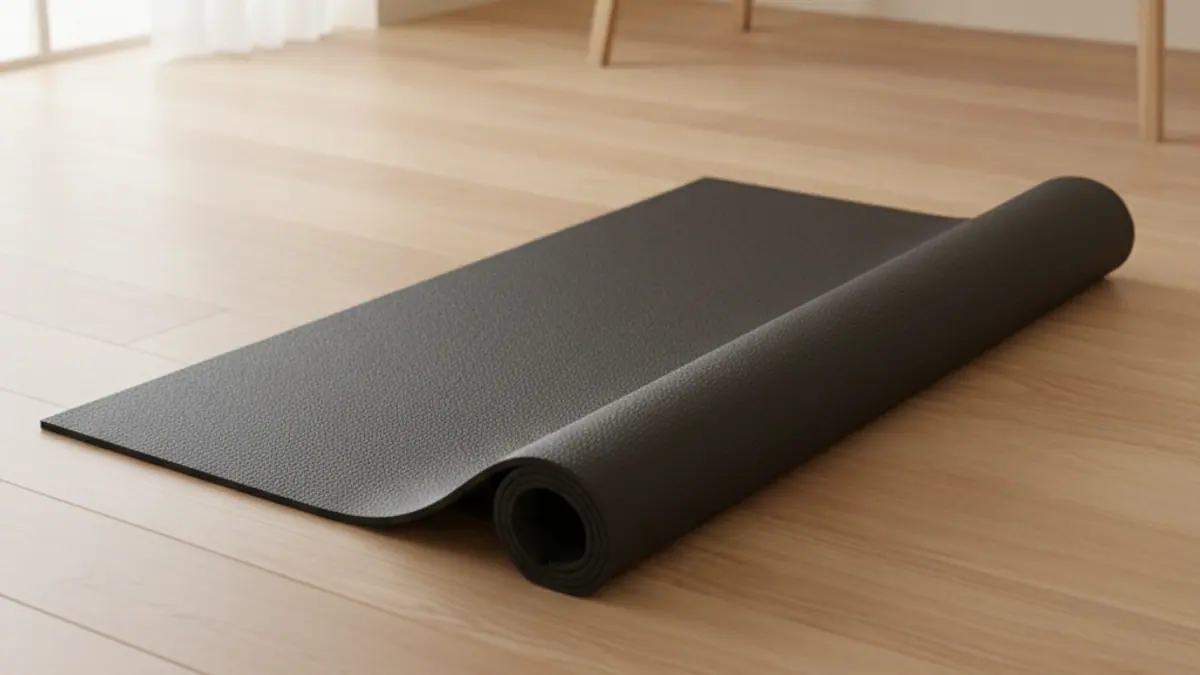
Sunny Health & Fitness Equipment Mat
Best for: Basic floor protection on hardwood, light walking pads.
| Model | Best For | Motor | Weight Capacity | Tier | Check |
|---|---|---|---|---|---|
| Editor's Pick (Budget) Sunny Health & Fitness Equipment Mat | Basic floor protection on hardwood, light walking pads. | N/A (Mat) | Max Load Capacity: 300 lbs (mfr spec) | Budget | Check Price |
| Best for Vibration & Noise SuperMats Heavy Duty Equipment Mat 13GS | Enhanced vibration dampening on hardwood, noise reduction on any surface. | N/A (Mat) | Max Load Capacity: 500 lbs (mfr spec) | Mid-Range | Check Price |
| Best for Carpet Stability Gorilla Grip Premium Large Exercise Mat | Stability on carpeted floors, comprehensive floor protection. | N/A (Mat) | Max Load Capacity: 400 lbs (mfr spec) | Upper Mid-Range | Check Price |
Technical Spec Note: Manufacturer-rated specifications (mfr spec) like 'Vibration Dampening' are often derived from controlled lab environments. In real-world home-office usage, factors like floor construction, room acoustics, and the specific walking pad model can influence actual noise reduction and floor protection performance.
Detailed Model Breakdown
Sunny Health & Fitness Equipment Mat
Best for: Basic floor protection on hardwood, light walking pads.
Strengths
- Affordable and accessible price point
- Lightweight for easy repositioning
- Simple to clean and maintain
Trade-Offs
- Thinner profile offers less cushioning
- Less effective on plush or thick carpets
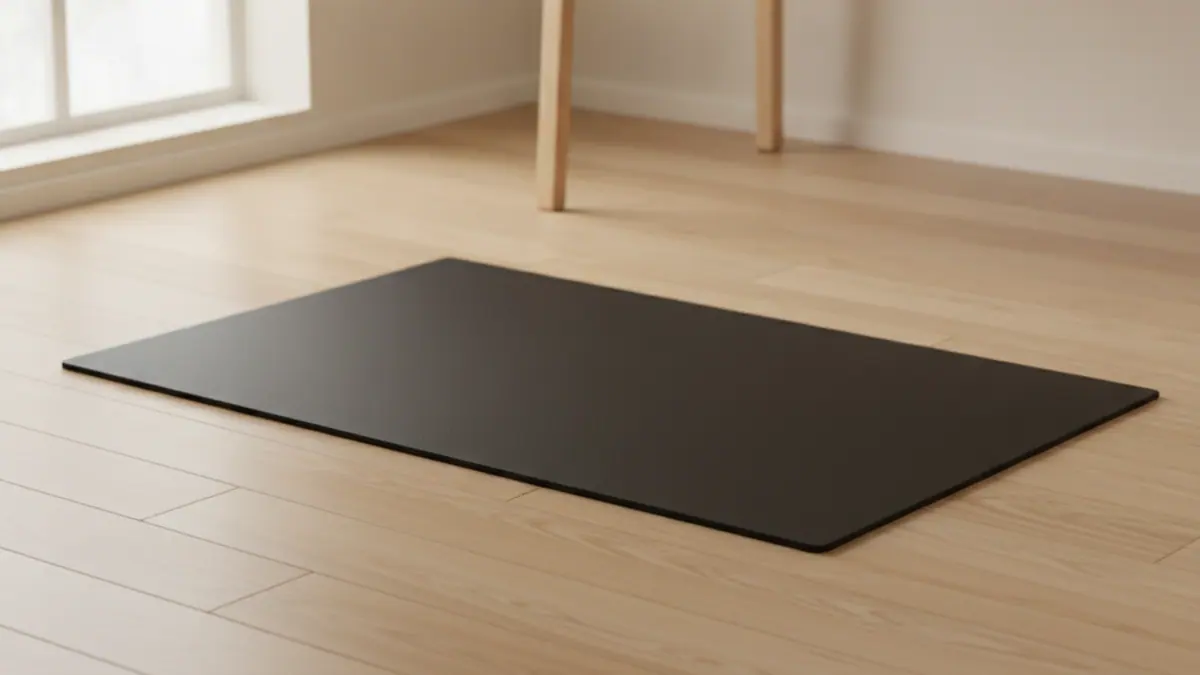
SuperMats Heavy Duty Equipment Mat 13GS
Best for: Enhanced vibration dampening on hardwood, noise reduction on any surface.
Strengths
- Thick, durable material for superior protection
- Excellent vibration and impact absorption
- Strong grip prevents pad movement
Trade-Offs
- Heavier and less portable than thinner mats
- Higher initial cost compared to budget options
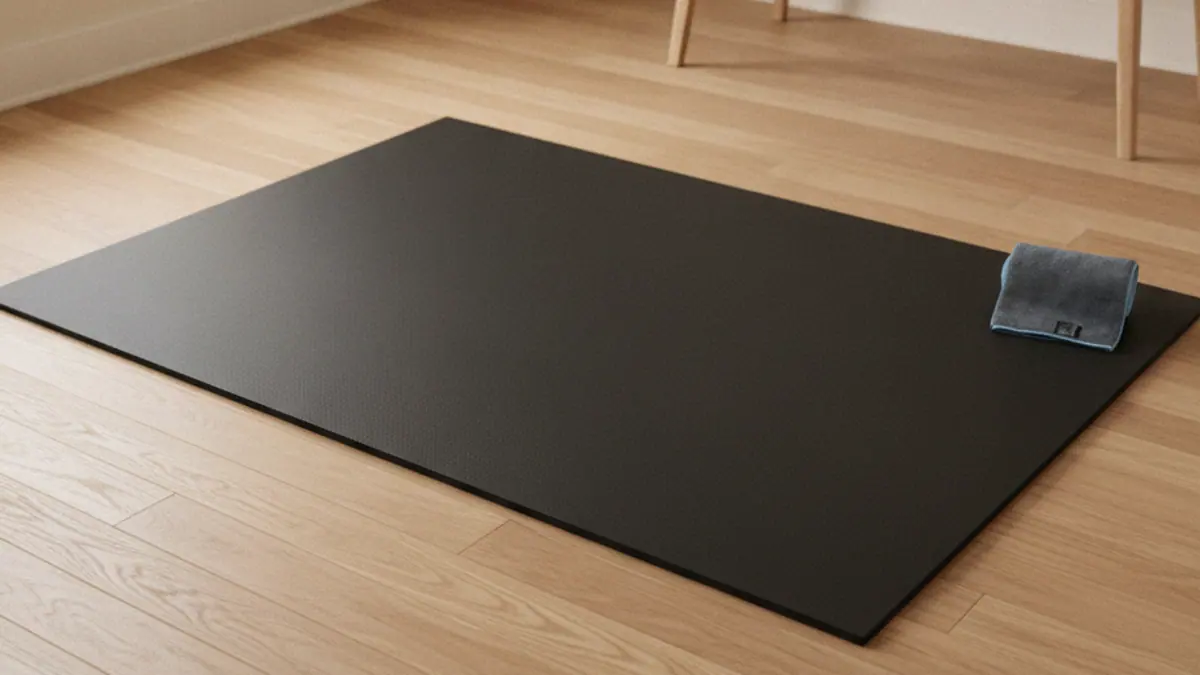
Gorilla Grip Premium Large Exercise Mat
Best for: Stability on carpeted floors, comprehensive floor protection.
Strengths
- Exceptional non-slip grip, especially on carpet
- Robust construction for long-term floor protection
- Generous warranty period
Trade-Offs
- Can be bulky and challenging to store
- Premium price point
Beyond Floor Protection: Why Every Walking Pad Needs a Mat
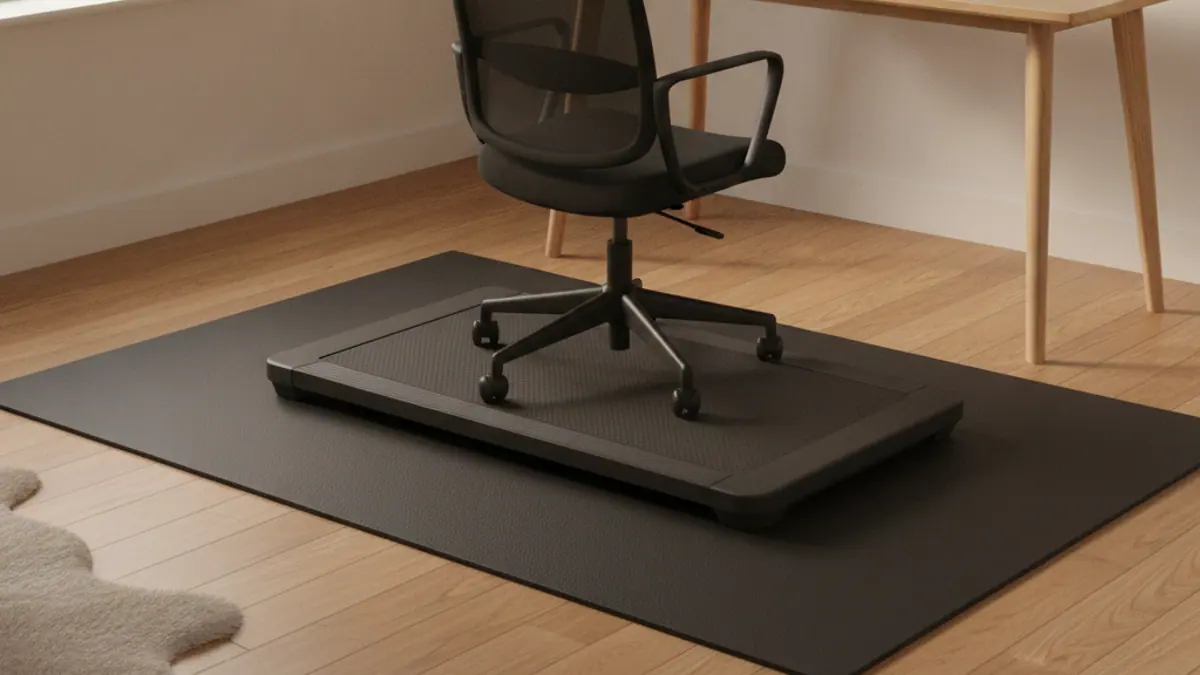
As the senior ergonomics & home office equipment editor for WalkDeskLab, I've observed a common oversight among new walking pad owners: neglecting a proper mat.
Many assume their floors are robust enough, or that a walking pad is too low-impact to warrant extra protection. This perspective misses several critical benefits that a dedicated mat provides, extending far beyond mere floor preservation.
First, consider noise and vibration. Even the quietest walking pads generate some level of operational sound and subtle vibrations.
These can transmit through floors, creating disturbances for family members, downstairs neighbors, or even your own focus. A quality mat acts as an acoustic and vibrational buffer, significantly dampening these effects.
This is particularly crucial in apartment settings or shared office spaces where noise control is paramount.
Second, floor damage is a real concern. On hardwood, laminate, or tile, the constant friction and pressure from a walking pad's feet can lead to scratches, scuffs, or even structural wear over time.
On carpet, the concentrated weight can cause permanent indentations, flattening the pile and leaving unsightly marks. A mat distributes the walking pad's weight evenly, preventing these localized pressure points and preserving your flooring's integrity and appearance.
Finally, stability and safety are often overlooked. Walking pads, especially on slick surfaces like polished concrete or certain hardwoods, can shift slightly during use.
A mat with a high-friction surface provides a stable anchor for your walking pad, minimizing movement and reducing the risk of accidents.
This enhanced stability also contributes to a more comfortable and confident walking experience, allowing you to focus on your work rather than worrying about your equipment.
Decoding Mat Specs: Material, Thickness, and Grip for Optimal Performance
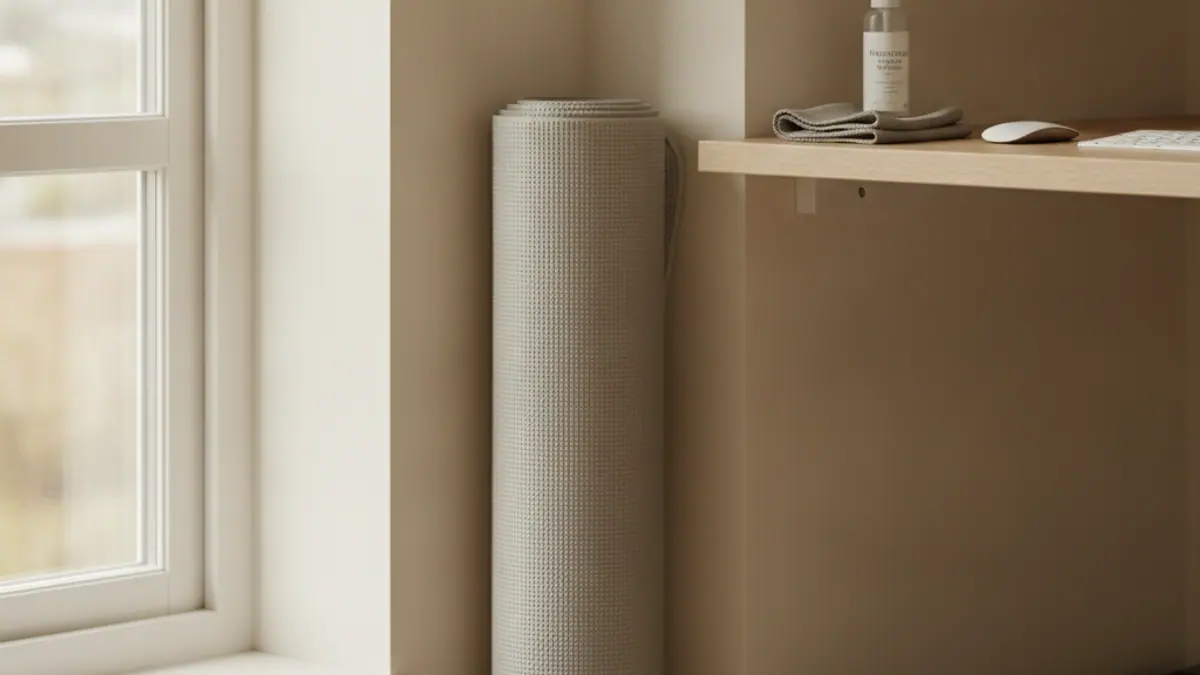
Selecting the right mat involves understanding key specifications that directly impact its effectiveness. The material, thickness, and anti-slip properties are paramount, each playing a distinct role in noise reduction, floor protection, and overall stability.
<b>Thickness:</b> Mat thickness is directly correlated with its ability to absorb impact, dampen vibration, and protect floors. Thicker mats (typically 6mm or more) offer superior noise reduction and prevent deeper indentations on carpet.
However, they can also make the walking pad sit higher, which might be a consideration for under-desk setups. Thinner mats (3-5mm) are suitable for basic scratch protection on hard floors but offer less in terms of vibration absorption.
| Feature | Sunny Health & Fitness | SuperMats 13GS | Gorilla Grip |
|---|---|---|---|
| Material | PVC | Recycled Rubber | High-Density PVC |
| Dimensions (L x W) | 78" x 36" | 78" x 36" | 84" x 36" |
| Anti-Slip Design | Textured surface | Non-slip bottom | Dual-sided textured grip |
| Portability | High | Low | Medium |
Tailoring Your Choice: Mats for Carpeted vs. Hardwood Floors
The type of flooring in your home office significantly influences the best mat choice. What works perfectly on a plush carpet might be overkill or insufficient for a polished hardwood surface. Understanding these distinctions is key to optimizing your setup.
<b>For Carpeted Floors:</b> When placing a walking pad on carpet, the primary concerns are stability and preventing permanent indentations. A mat for carpet needs a robust, non-slip underside that can grip the carpet fibers without sliding.
Look for materials like high-density PVC or rubber with a textured bottom. Thickness is also vital here; a thicker mat (6mm or more) will better distribute the walking pad's weight, preventing the legs from compressing the carpet pile and leaving lasting marks.
The Gorilla Grip mat, for instance, excels in providing stability on carpet thanks to its aggressive dual-sided texture.
To further minimize carpet indentation, periodically shift your walking pad's position slightly on the mat. This helps distribute pressure over a larger area of the carpet, allowing fibers to recover.
<b>For Hardwood, Laminate, or Tile Floors:</b> On hard surfaces, the main priorities shift to scratch protection, vibration dampening, and preventing the walking pad from sliding.
A mat made from dense rubber or high-quality PVC is ideal, as these materials offer excellent cushioning against impact and friction.
The mat's underside should have a strong grip to prevent any movement of the mat itself, and its top surface should provide sufficient traction for the walking pad's feet.
Thicker mats are particularly beneficial on hard floors for superior noise and vibration absorption, which can otherwise echo through the room or even to lower floors.
The SuperMats 13GS, with its recycled rubber composition, is a prime example of a mat designed to excel on hard surfaces.
Regardless of your floor type, ensure the mat extends beyond the footprint of your walking pad by at least a few inches on all sides. This provides a safety margin and ensures full protection, especially if the pad shifts slightly during use.
WalkDeskLab's Top Mat Recommendations for Walking Pads
After extensive research into material science, user feedback patterns over 3-12 months, and manufacturer specifications, we've identified three mats that stand out for their performance, durability, and suitability for various home office environments. Our selections balance cost, protection, and specific use cases.
<h3>Sunny Health & Fitness Equipment Mat (B0016R4D5W)</h3>
The Sunny Health & Fitness Equipment Mat is our top budget pick, offering reliable basic protection without a significant investment.
Constructed from durable PVC, this mat is thin enough to be unobtrusive yet effective at shielding hardwood and laminate floors from scratches and scuffs. Its lightweight nature makes it easy to roll up and store if your walking pad isn't a permanent fixture.
While its 4mm thickness provides moderate vibration dampening (mfr spec), it's best suited for lighter walking pads and users who prioritize cost-effectiveness and simple floor preservation over maximum noise reduction.
Owner feedback frequently highlights its ease of cleaning and suitability for apartment living where space is at a premium. However, for plush carpets or heavy-duty walking pads, its thinner profile might not offer adequate indentation protection.
<h3>SuperMats Heavy Duty Equipment Mat 13GS (B000A63C00)</h3>
For those seeking enhanced vibration dampening and superior floor protection, the SuperMats Heavy Duty Equipment Mat 13GS is an excellent mid-range choice. 3mm thickness, making it highly effective at absorbing impact and reducing noise transmission (mfr spec).
Its robust construction means it can handle heavier walking pads and provides exceptional stability on both hardwood and low-pile carpet. The inherent grip of recycled rubber ensures the mat stays put, and your walking pad remains stable during use.
While heavier and less portable than its PVC counterparts, its durability and performance justify the investment.
Many users report a noticeable reduction in operational noise and a significant improvement in floor protection, making it a favorite for dedicated home office setups. The 3-year limited warranty also provides peace of mind regarding its longevity.
<h3>Gorilla Grip Premium Large Exercise Mat (B0B13J328P)</h3>
The Gorilla Grip Premium Large Exercise Mat stands out as our top recommendation for stability on carpeted floors and comprehensive protection.
Its high-density PVC material, at a generous 7mm thickness, provides excellent cushioning and prevents deep indentations on even plush carpets.
What truly sets it apart is its dual-sided textured grip, specifically engineered to prevent slippage on various surfaces, including challenging carpet textures. This ensures your walking pad remains firmly in place, enhancing safety and user confidence.
Beyond stability, it offers high vibration dampening (mfr spec) and robust floor protection for any surface.
While it comes at a premium price and can be bulky due to its size and thickness, its exceptional performance, coupled with an impressive 10-year limited warranty, makes it a worthwhile investment for users prioritizing maximum stability, protection, and longevity in their home office setup.
Frequently Asked Questions
Do I really need a mat for my walking pad?
Yes, a mat is highly recommended. It protects your floors from scratches and indentations, dampens noise and vibrations, and provides a stable, non-slip surface for your walking pad, enhancing both safety and comfort during use.
What's the best mat thickness for noise reduction?
For optimal noise and vibration reduction, a mat with a thickness of 6mm (approximately 1/4 inch) or more is generally most effective. Thicker mats, typically made from dense rubber or high-density PVC, absorb more impact and prevent sound transmission more efficiently than thinner options.
Can I use a yoga mat instead of a dedicated walking pad mat?
While a yoga mat might offer minimal floor protection, it is generally not recommended as a substitute. Yoga mats are often thinner, less dense, and designed for different types of friction, making them less effective at dampening heavy vibrations, preventing deep indentations, or providing adequate stability for a walking pad.
How do I clean my walking pad mat?
Most walking pad mats are easy to clean. For routine maintenance, simply wipe the mat down with a damp cloth and mild soap or a gentle household cleaner. Avoid harsh chemicals or abrasive scrubbers, as these can damage the mat's material or surface texture. Allow it to air dry completely before placing your walking pad back on it.
Will a mat prevent my walking pad from sliding on hardwood?
Yes, a quality walking pad mat is specifically designed with anti-slip properties to prevent movement on smooth surfaces like hardwood. Look for mats with a textured bottom surface that grips the floor and a top surface that provides traction for the walking pad's feet, ensuring stability during your workout.
Manufacturer & Technical References
Related Guides
The Best Kneeling Chairs for Back Pain Relief and Posture Improvement
Find the best kneeling chair for back pain relief. Our expert review compares top models, focusing on posture improvement, comfort, and ergonomic design for you...
The Best Narrow Standing Desks for Compact Home Offices
Find the ideal narrow standing desk for your compact home office. We analyze motor quality, stability, and quiet operation to maximize productivity in tight spaces.
The Best Under-Desk Walking Pads for a Healthier Workday
Find the best under-desk walking pad for your home office. Compare top models for quiet operation, compact design, and reliable performance to boost productivity.