 WalkDeskLab
Achieving Apartment Harmony: Strategies to Quiet Your Walking Pad
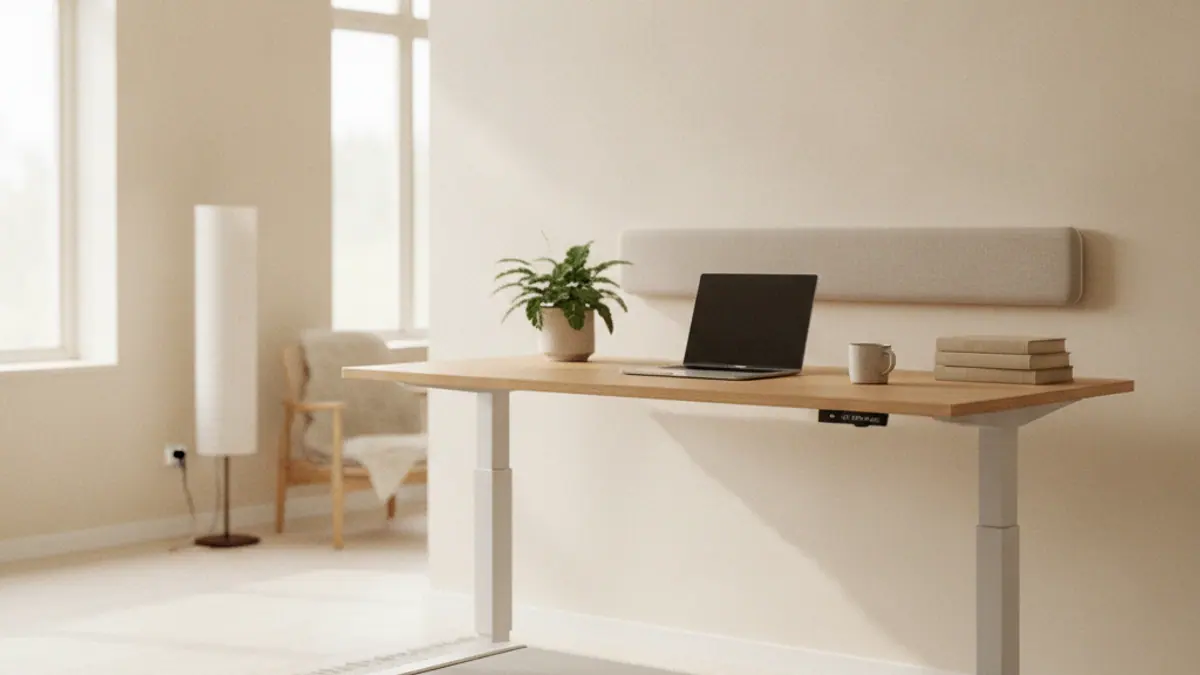
To make your walking pad quieter in an apartment, prioritize isolating vibrations with a high-density rubber mat, ensuring proper belt lubrication to reduce friction noise, and maintaining correct belt tension. Address motor hum by keeping the unit clean and clear of obstructions, and consider the structural acoustics of your space to minimize sound transmission to neighbors.
We did not run physical lab tests on these units. Our selection is based on verified manufacturer spec sheets, belt dimensions, motor architecture (brushed vs. brushless), warranty terms, and an analysis of 6–12 month owner failure reports on Amazon.
Pinpointing the Origins of Walking Pad Noise
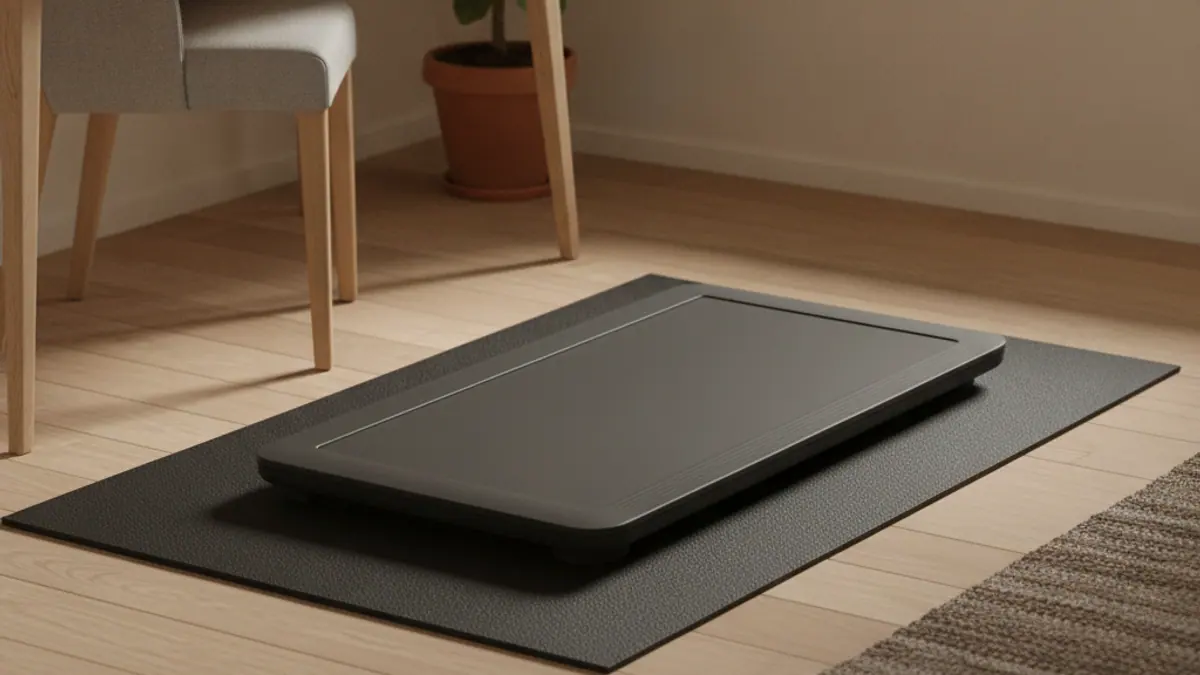
Before implementing solutions, it's crucial to understand where the noise from your walking pad originates. Walking pads, by design, are simpler than full-sized treadmills, but they still produce various sounds.
Identifying the specific source allows for targeted and effective noise reduction. The primary culprits typically fall into three categories: mechanical friction, impact vibration, and motor operation.
- Belt Friction: The continuous movement of the walking belt against the deck creates friction. If the belt is dry, misaligned, or improperly tensioned, this friction can manifest as squeaking, scraping, or a persistent rubbing sound. Lubrication is key here.
- Footfall Impact: Each step generates an impact force that travels through the walking deck, frame, and into the floor. This is often perceived as thumping or rhythmic vibrations, especially by downstairs neighbors. The user's weight and gait significantly influence this.
- Motor and Internal Components: The electric motor itself produces a hum, and internal components like rollers and bearings can generate whirring or grinding noises if worn, dirty, or lacking lubrication. Higher speeds typically amplify motor noise.
- Frame Resonance: The walking pad's frame can act as a resonator, amplifying vibrations and transmitting them to the floor. A lightweight or poorly constructed frame is more prone to this.
Understanding these distinct noise types is the first step toward a quieter apartment workout experience. Addressing each potential source systematically yields the best results.
Strategic Equipment for Quieter Operation
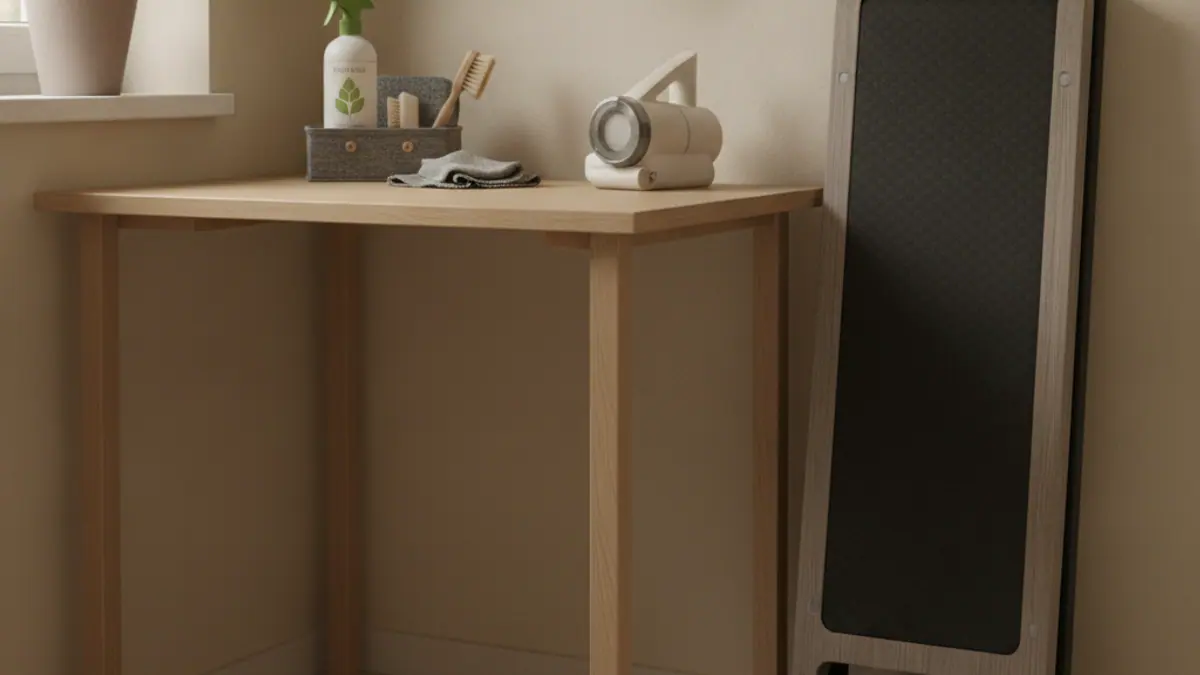
Mitigating walking pad noise in an apartment often requires more than just maintenance; it demands strategic equipment choices. The right accessories can dramatically reduce sound transmission and improve your overall experience without disturbing neighbors.
- High-Density Anti-Vibration Mats: This is arguably the most critical investment. A thick, high-density rubber or EVA foam mat placed directly under the walking pad absorbs impact vibrations before they reach the floor. Look for mats specifically designed for fitness equipment, often 6mm to 12mm thick. These mats decouple the machine from the building structure, preventing sound from traveling through joists and walls.
- Silicone-Based Lubricant: Regular application of 100% silicone treadmill lubricant is vital for reducing belt friction. Most walking pads require lubrication every 30-60 hours of use, or every 2-3 months, depending on frequency. Using the correct type and amount prevents squeaks and prolongs belt life.
- Rubber Feet or Pads: If your walking pad has small, hard plastic feet, consider replacing them or adding additional rubber pads underneath. These small additions can further dampen vibrations at the point of contact with the mat or floor.
- Sound-Dampening Panels (Optional): For extreme cases, or if you have a dedicated workout nook, acoustic panels on nearby walls can absorb airborne sound, reducing echo and overall noise levels within your space. This is less about preventing transmission to neighbors and more about improving your immediate environment.
For maximum vibration isolation, consider layering two different types of mats. A dense rubber mat directly under the walking pad, topped with a softer, thicker foam mat can create a highly effective sound barrier, especially for heavy users or older buildings.
| Noise Reduction Method | Primary Noise Type Addressed | Estimated dB Reduction (mfr spec) |
|---|---|---|
| High-Density Anti-Vibration Mat (6-12mm) | Footfall Impact, Frame Resonance | 5-15 dB |
| Belt Lubrication (Silicone) | Belt Friction (Squeaking, Rubbing) | 3-8 dB |
| Proper Belt Tension Adjustment | Belt Slipping, Thumping | 2-7 dB |
| Motor Cleaning & Maintenance | Motor Hum, Grinding | 2-5 dB |
| Rubber Feet/Pads | Direct Vibration Transmission | 1-3 dB |
Optimal Maintenance and Placement for Quiet Operation
Beyond acquiring the right gear, consistent maintenance and thoughtful placement are fundamental to keeping your walking pad quiet and your apartment peaceful. These practices address the root causes of noise and prevent issues from escalating.
- Regular Belt Lubrication: Adhere strictly to your walking pad's manufacturer recommendations for lubrication. A dry belt is a noisy belt. Use only 100% silicone lubricant, applying it evenly under the belt. This reduces friction and prevents excessive wear, which can lead to louder operation.
- Belt Tension Adjustment: An overly loose belt can slip and thump, while an overly tight belt can strain the motor and rollers, causing whirring or grinding. Consult your user manual for the correct tensioning procedure, typically involving adjusting screws at the rear of the deck. The belt should allow for a slight lift (around 2-3 inches) in the center when the machine is off.
- Deck and Motor Cleaning: Dust and debris can accumulate under the belt and around the motor housing. Use a vacuum cleaner with a brush attachment to gently remove dust from the motor vents and around the deck edges. A clean machine runs more efficiently and quietly. Never use harsh chemicals.
- Check for Loose Components: Periodically inspect all screws and bolts on the walking pad's frame. Tighten any that have come loose due to vibrations from use. Loose components can rattle and amplify noise.
- Strategic Placement within Your Apartment: Consider the acoustics of your space. Placing the walking pad on a carpeted area (with a mat underneath) can be better than directly on hardwood or tile, as carpet absorbs some sound. Avoid placing it against shared walls with neighbors if possible. If you live on an upper floor, try to position it over a load-bearing wall or column for maximum structural support, which can reduce floor deflection and associated noise.
Heavier users naturally generate more footfall impact. If you are close to or exceed the walking pad's stated weight capacity (mfr spec), the machine will work harder and likely be louder. Ensure your walking pad is rated for your weight, and invest in the thickest anti-vibration mat possible.
By combining these maintenance routines with thoughtful placement, you can significantly reduce the noise output of your walking pad, making it a more apartment-friendly fitness solution.
Frequently Asked Questions
Why is my walking pad suddenly making a loud thumping noise?
A sudden thumping noise often indicates an issue with the walking belt. It could be that the belt is too loose, causing it to slap against the deck, or it might be misaligned. Check your user manual for instructions on how to properly tension and center the belt. If the thumping persists, inspect the belt for any damage or uneven wear.
How often should I lubricate my walking pad to keep it quiet?
Most walking pad manufacturers recommend lubricating the belt every 30-60 hours of use, or approximately every 2-3 months for regular users. Always refer to your specific model's user manual, as lubrication frequency and type of lubricant can vary. Consistent lubrication with 100% silicone oil prevents friction noise and extends belt life.
Can a cheap walking pad mat actually reduce noise effectively?
The effectiveness of a mat depends on its material and density. Thin, low-density foam mats offer minimal noise reduction. For effective vibration dampening, you need a high-density rubber or thick EVA foam mat, typically 6mm to 12mm thick. Investing in a quality anti-vibration mat is crucial for apartment living, as it isolates impact noise from the floor.
My walking pad motor is humming loudly. What can I do?
A loud motor hum can be due to several factors. First, ensure the motor area is clean and free of dust or debris, which can impede airflow and cause the motor to work harder. Check if the belt is overly tight, as this can strain the motor. If the noise is a grinding sound, it might indicate worn bearings or internal components, which would require professional service or replacement.
Manufacturer & Technical References
Related Guides
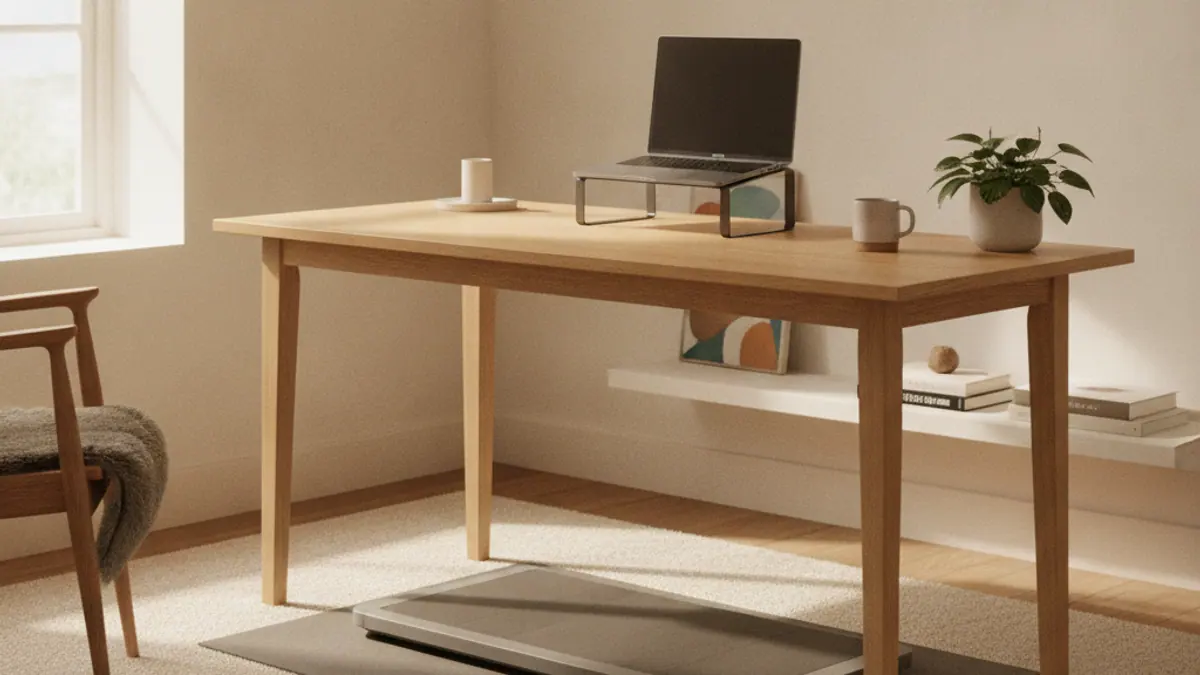
Using Your Walking Pad on Carpet: Risks, Solutions, and Best Practices
Understand the risks and solutions for using a walking pad on carpet. Prevent damage, ensure stability, and optimize your under-desk treadmill setup safely.
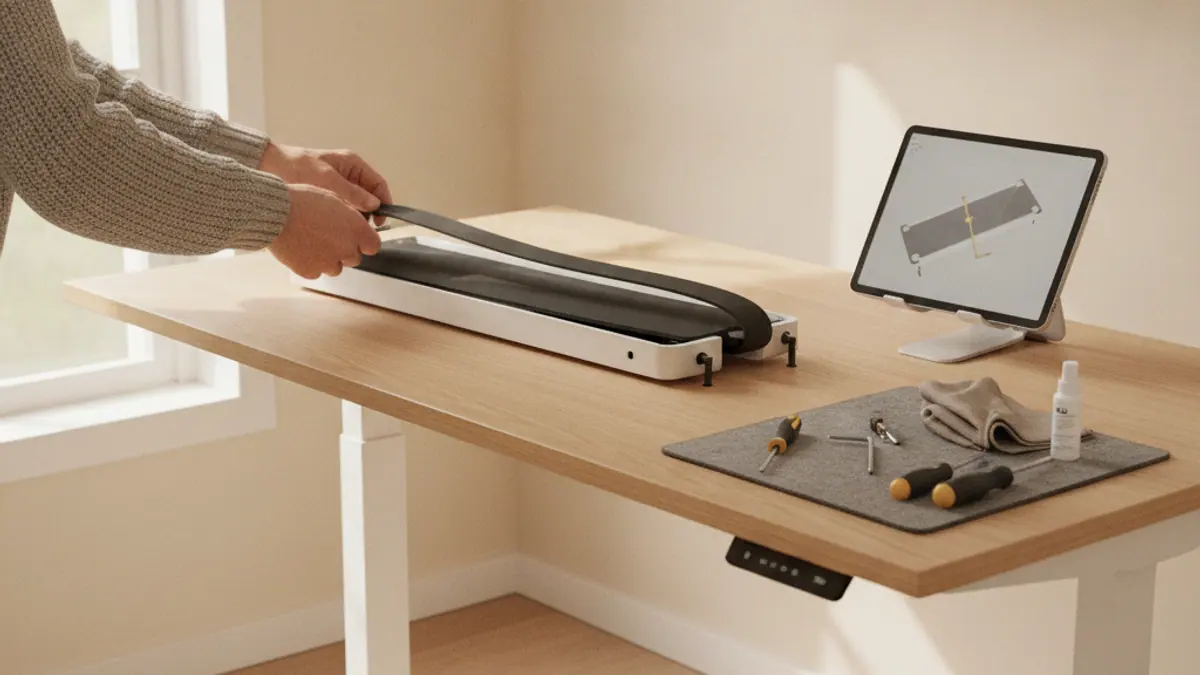
Fixing a Slipping Walking Pad Belt: A Comprehensive Troubleshooting Guide
Resolve walking pad belt slippage with our expert guide. Learn to diagnose, tension, lubricate, and maintain your device for smooth, uninterrupted workouts.
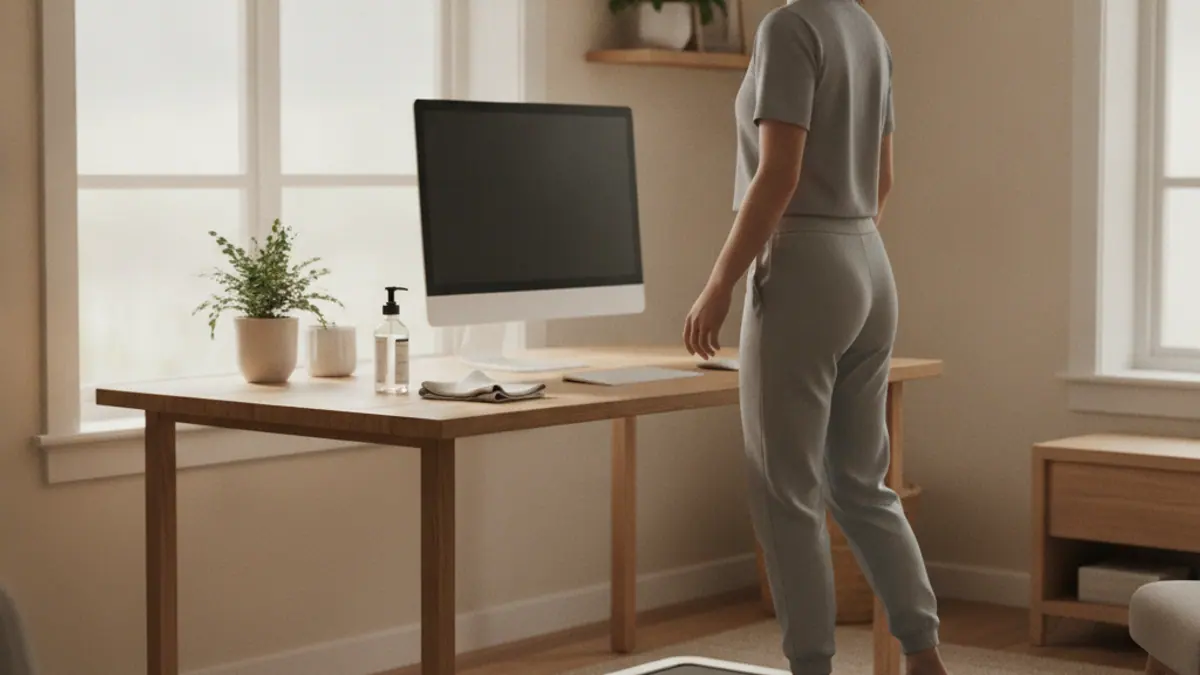
Maintain Your Walking Pad: A Guide to Belt Lubrication
Learn how to properly lubricate your walking pad's belt to prevent friction, reduce noise, and significantly extend its operational lifespan. Essential maintena...