 WalkDeskLab
Reclaim Your Space: Smart Vertical Storage for Walking Pads in Small Apartments
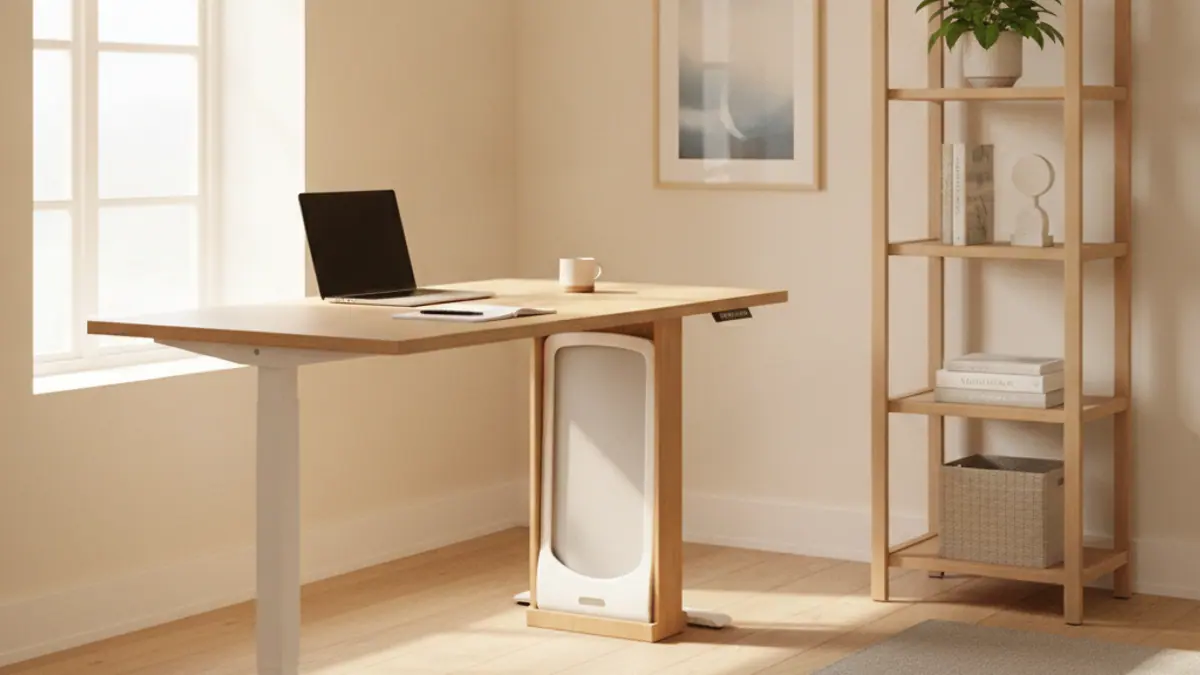
Storing a walking pad vertically is highly effective for small apartments, leveraging often-unused vertical space. Most modern walking pads are designed with folding mechanisms and transport wheels, allowing them to be tilted and rolled into compact upright positions. Ensure stability with wall anchors or dedicated stands to prevent tipping, protecting both the unit and your living area.
We did not run physical lab tests on these units. Our selection is based on verified manufacturer spec sheets, belt dimensions, motor architecture (brushed vs. brushless), warranty terms, and an analysis of 6–12 month owner failure reports on Amazon.
Understanding Your Walking Pad's Storage Capabilities
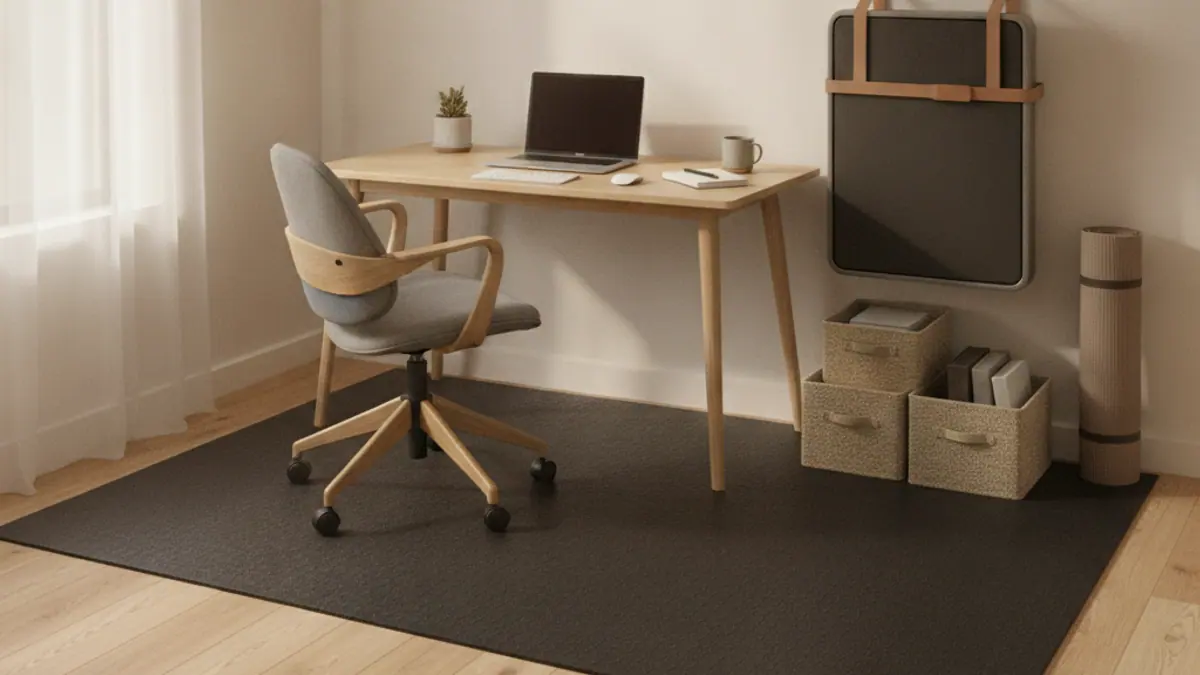
Living in a small apartment often means making strategic choices about every piece of furniture and equipment. Walking pads, designed for home fitness, are increasingly popular for their compact footprint during use.
However, their storage footprint is equally critical. Most contemporary walking pads are engineered with space-saving features in mind, allowing for various storage orientations.
Understanding these inherent design elements is the first step in optimizing your living area.
The primary factor determining how effectively you can store your walking pad is its design. Many models now feature sophisticated folding mechanisms that reduce their length by half or more.
Coupled with integrated transport wheels, these designs transform a relatively large piece of equipment into a manageable, movable unit.
The thickness of the deck, even when folded, is also a key consideration for vertical storage, as it dictates how far it will protrude from a wall or furniture.
- Folding Mechanism: The ability to fold the deck in half is crucial for reducing the overall length, making vertical storage feasible. Some advanced models offer a double-fold for even greater compactness.
- Transport Wheels: Integrated wheels on the base allow for easy tilting and rolling, simplifying the process of moving the pad into its storage position without heavy lifting.
- Deck Thickness: The overall slimness of the walking pad, typically between 4 to 6 inches (mfr spec) when flat, directly impacts how much space it occupies when stored vertically against a wall or in a closet.
- Weight: Lighter models (under 70 lbs, mfr spec) are generally easier to maneuver and position for vertical storage, reducing strain and potential damage during handling.
| Storage Configuration | Footprint (L x W, inches) | Height (inches, mfr spec) | Weight (lbs, mfr spec) |
|---|---|---|---|
| Unfolded (in use) | 57 x 22 | 4.5 | 60-75 |
| Folded Flat (under bed) | 32 x 22 | 4.5 | 60-75 |
| Folded Vertical (against wall) | 22 x 10 | 32-38 | 60-75 |
Vertical Storage Strategies for Compact Living
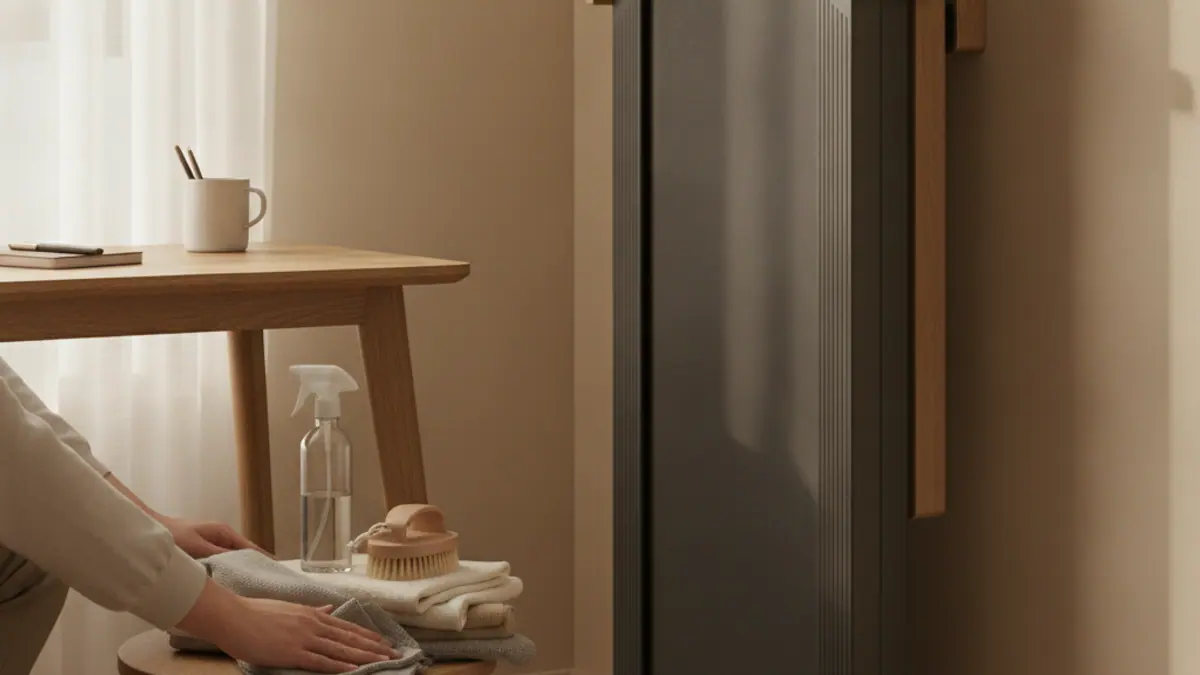
Vertical storage is a highly effective method for maximizing space in small apartments, transforming unused wall space into a functional storage area.
This approach minimizes the floor footprint of your walking pad, making your living area feel larger and less cluttered. The key is to identify suitable locations and employ appropriate techniques to ensure both stability and accessibility.
- Leaning Against a Wall: The simplest method involves folding the walking pad and carefully leaning it against a sturdy wall. This works best for models designed to stand upright, often with a stable base. Position it in a low-traffic area, such as behind a door, in a corner, or within a closet. Ensure the surface it rests on is level and non-slip. For added security, consider a small, non-permanent wall bracket or strap to prevent accidental tipping, especially if you have children or pets.
- Utilizing a Dedicated Vertical Stand: Some manufacturers offer or third-party accessories provide specialized stands designed to hold walking pads upright. These stands often feature a wide, stable base and cradles that securely hold the folded unit. This option provides superior stability compared to simply leaning and can be a good investment for peace of mind. Verify compatibility with your specific walking pad model before purchase.
- Integrating with Furniture: For a more seamless look, consider storing your walking pad vertically within a larger piece of furniture. This could be a tall, deep cabinet, a wardrobe, or even a custom-built storage unit. The goal is to conceal the equipment while keeping it readily accessible. Measure the folded dimensions of your walking pad precisely to ensure it fits comfortably within the chosen furniture piece, allowing for easy retrieval and storage.
- Behind Curtains or Room Dividers: In open-concept living spaces, a walking pad can be discreetly stored vertically behind a floor-to-ceiling curtain or a decorative room divider. This method offers flexibility and can help maintain the aesthetic of your apartment while keeping the equipment out of sight when not in use.
Before committing to a vertical storage location or solution, always measure the exact folded dimensions of your walking pad (length, width, and deck thickness). Then, measure your intended storage space, accounting for any baseboards, door frames, or furniture. This prevents frustration and ensures a perfect fit.
When selecting a vertical storage spot, prioritize areas that are out of the main thoroughfare but still convenient for retrieval.
A common practice is to store it in a hallway closet, a dedicated home office corner, or even alongside a bookshelf, provided it's securely fastened. The aim is to make the transition from storage to use as effortless as possible, encouraging consistent activity.
Safety First: Securing Your Vertically Stored Walking Pad
While vertical storage is highly efficient, safety must be the paramount concern. A walking pad, even when folded, can be heavy and unstable if not properly secured.
Preventing accidental tipping is crucial to avoid damage to the unit, surrounding property, and, most importantly, injury to occupants. This is particularly important in homes with children or pets who might inadvertently knock it over.
- Wall Anchoring: For walking pads leaned against a wall, consider using anti-tip furniture straps or L-brackets secured to a wall stud. These inexpensive devices provide a robust anchor point, preventing the pad from falling forward. Ensure the strap is taut but does not put undue stress on the walking pad's frame.
- Stable Base: Always place the walking pad on a flat, level, and non-slip surface. Uneven flooring can compromise stability, even with anchoring. If your floor is particularly slick, a rubber mat underneath the base can provide additional friction.
- Clearance and Traffic Areas: Store the walking pad in an area with minimal foot traffic. Avoid placing it near doorways, narrow hallways, or in the middle of a room where it could be easily bumped. Maintain a clear perimeter around the stored unit.
- Child and Pet Safety: If children or pets are present, take extra precautions. Store the walking pad in a room that can be closed off, or use child-proof latches on storage cabinets. Educate older children about the dangers of climbing on or playing near the stored equipment.
- Regular Checks: Periodically inspect the stability of your vertically stored walking pad and any anchoring mechanisms. Ensure straps are still secure, brackets are tight, and the unit itself hasn't shifted into an unstable position.
The weight distribution of a folded walking pad can be top-heavy, making it prone to tipping if disturbed. Manufacturer guidelines often recommend specific storage orientations or provide warnings regarding stability.
Adhering to these recommendations, combined with proactive safety measures, ensures your space-saving solution doesn't become a safety hazard. Always prioritize a secure setup over convenience when it comes to heavy equipment.
Optimizing Space: Beyond Vertical Storage
While vertical storage is a prime strategy for small apartments, it's not the only approach to maximizing space with your walking pad.
Integrating other space-saving techniques can further enhance your living environment and ensure your fitness equipment coexists harmoniously with your daily life. Consider these additional methods for a truly optimized setup.
- Under-Bed Storage: Many ultra-slim walking pads are specifically designed to slide flat under beds or sofas. This is an excellent option if your bed frame offers sufficient clearance (typically 4.5 to 6 inches, mfr spec). This method completely conceals the unit and keeps it out of sight, making it ideal for minimalist aesthetics.
- Under-Desk Integration: For those with standing desks, a walking pad can be stored flat underneath the desk when not in use. This keeps it readily available for walking sessions and eliminates the need to move it across the room. Ensure your desk has enough clearance and that the walking pad's height is suitable for comfortable use.
- Multi-Functional Furniture: Explore furniture pieces that serve dual purposes. For instance, a coffee table with a lift-top or hidden compartment might accommodate a folded walking pad. Some larger ottomans or storage benches could also be adapted. This requires careful measurement and potentially some DIY modifications.
- Designated Nooks: Identify any unused nooks or alcoves in your apartment. These often-overlooked spaces can be perfect for tucking away a folded walking pad, either vertically or horizontally, depending on the dimensions. Think about the space next to a refrigerator, behind a large armchair, or within a pantry.
The ultimate goal is to create a seamless integration of your walking pad into your small apartment, minimizing its visual and physical footprint when not in use.
By combining vertical storage with other clever solutions, you can maintain an active lifestyle without sacrificing precious living space. Always remember to prioritize ease of access and safety in any storage configuration you choose.
Frequently Asked Questions
Can all walking pads be stored vertically?
No, not all walking pads are designed for vertical storage. Many modern folding models feature mechanisms and stable bases that allow them to stand upright. However, some older or non-folding models may lack the stability or design for safe vertical storage. Always check the manufacturer's specifications and user manual for recommended storage orientations.
What's the safest way to store a walking pad upright?
The safest way to store a walking pad upright is by using an anti-tip wall anchor or a dedicated vertical storage stand. These methods provide stability and prevent accidental tipping. Ensure the pad is on a flat, non-slip surface and away from high-traffic areas, especially if children or pets are present.
Will storing my walking pad vertically damage it?
If your walking pad is designed for vertical storage and is secured properly, storing it upright should not cause damage. However, if it's forced into an unstable vertical position or frequently tipped over, it could stress the frame, motor, or electronic components. Always follow manufacturer guidelines for storage.
How much space does a walking pad need when stored vertically?
When stored vertically, most folding walking pads require a floor footprint of approximately 20-25 inches in width and 8-12 inches in depth (mfr spec). The height will typically range from 30-40 inches (mfr spec), depending on how it folds. Always measure your specific model and intended space for an accurate assessment.
Can I store a walking pad under a bed?
Many ultra-slim walking pads are specifically designed for under-bed storage. These models typically have a deck thickness of 4.5 to 6 inches (mfr spec) when folded flat, allowing them to slide under most standard bed frames. Check your bed's clearance and the walking pad's flat dimensions before attempting this method.
Manufacturer & Technical References
Related Guides
Using Your Walking Pad on Carpet: Risks, Solutions, and Best Practices
Understand the risks and solutions for using a walking pad on carpet. Prevent damage, ensure stability, and optimize your under-desk treadmill setup safely.
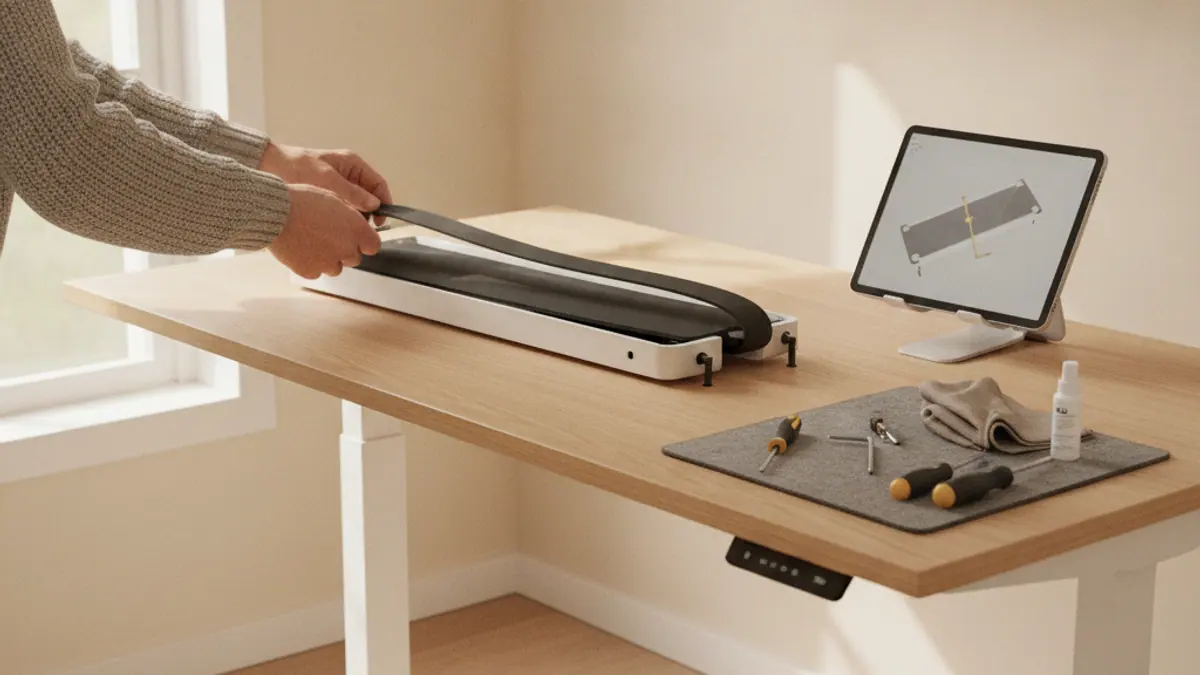
Fixing a Slipping Walking Pad Belt: A Comprehensive Troubleshooting Guide
Resolve walking pad belt slippage with our expert guide. Learn to diagnose, tension, lubricate, and maintain your device for smooth, uninterrupted workouts.
Maintain Your Walking Pad: A Guide to Belt Lubrication
Learn how to properly lubricate your walking pad's belt to prevent friction, reduce noise, and significantly extend its operational lifespan. Essential maintena...